
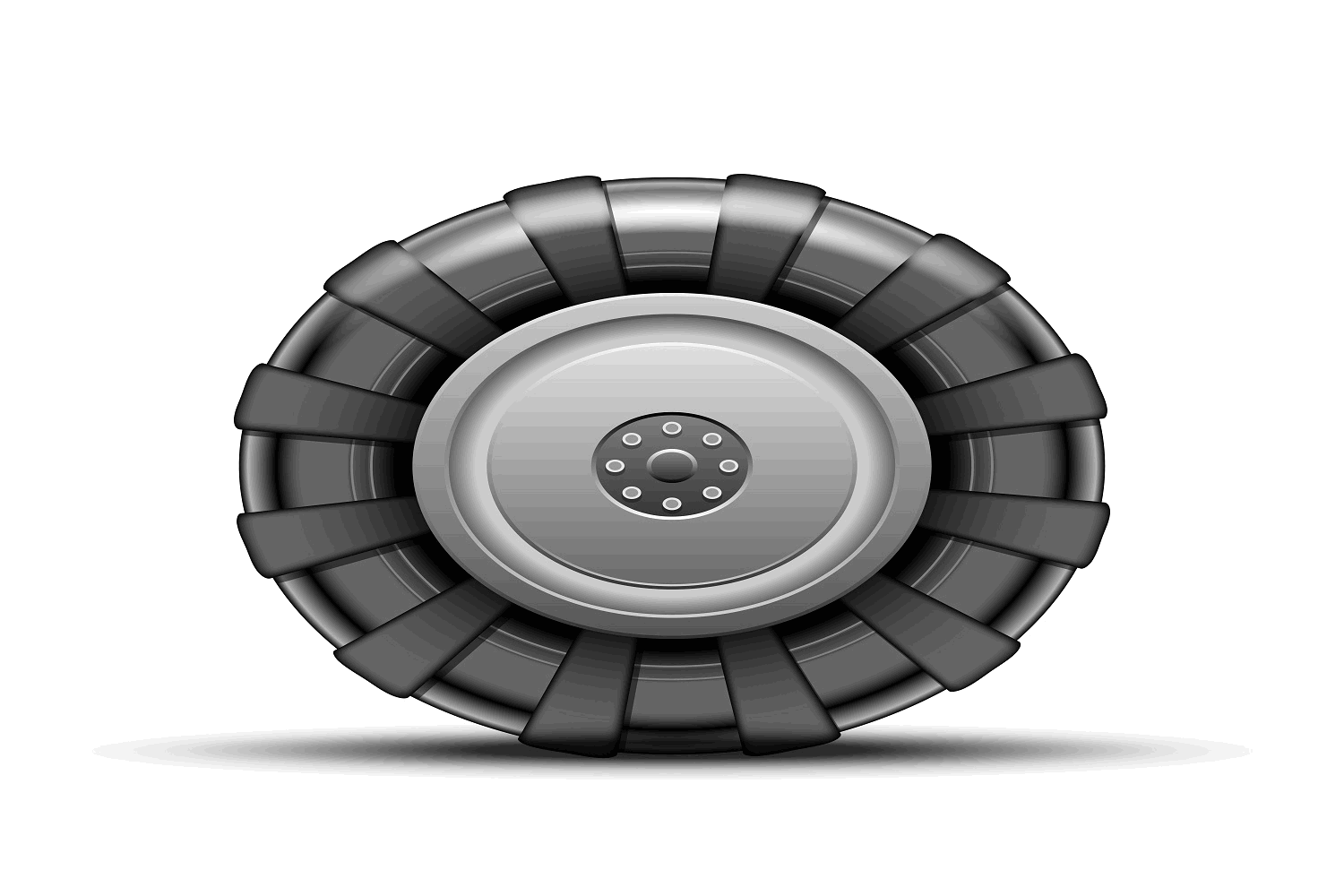
I’ve watched too many people impulse-buy wheels that looked fantastic online, only to discover they can’t actually mount them on their cart. Or worse – they fit, but now the cart handles like it’s drunk. The thing is, golf cart wheels aren’t plug-and-play like most people assume. There are nuances that manufacturers don’t always advertise clearly, and retailers certainly won’t tell you when it means losing a sale. If you’re in the market for golf cart wheels for sale, understanding these details will save you from expensive mistakes and buyer’s remorse.
The Bolt Pattern Trap
Bolt patterns aren’t always what they claim to be. You’ll see wheels listed as “4-hole universal” and assume they’ll fit anything. They won’t. A 4×4 inch pattern is completely different from a 4×101.6mm pattern. I’ve seen people force wheels on with mismatched patterns, and the wobble eventually damages the hub assembly. Measure your current setup twice – don’t trust the seller’s “universal” claims.
Why Offset Matters
Offset determines whether your wheels stick out or tuck in. Too much positive offset and your wheels rub against the cart’s body when you turn. Too much negative offset and they poke out, throwing mud everywhere whilst putting stress on your bearings. Factory offset is usually between 0 and +2 inches for good reason. Confirm the offset matches or you’ll be returning them.
The Speed vs. Torque Trade-Off
Larger wheels increase your top speed slightly because each rotation covers more ground, but you lose acceleration and hill-climbing ability. Your motor works harder to turn those bigger wheels. For hilly terrain or if you regularly carry passengers, stick closer to stock size. I’ve watched carts with oversized wheels struggle on inclines they used to handle easily.
Material Choice Isn’t Just About Looks
Steel wheels are cheap and heavy, which affects power consumption and ride quality. They also rust, particularly near salt water. Aluminium alloy costs more upfront but typically lasts three times longer. The weight savings improve acceleration and reduce motor strain. If you’re planning to upgrade other components later, like your golf cart engine for sale, lighter wheels free up weight capacity for those additions.
Weight Ratings Are There for a Reason
Golf cart wheels have load ratings, and exceeding them is asking for trouble. If you’ve modified your cart with lifted suspension or heavy accessories, your weight distribution has changed. Check the weight rating per wheel, multiply by four, and make sure it exceeds your cart’s maximum loaded weight with a safety margin.
When you’re looking at golf cart wheels for sale, remember that the cheapest option usually costs more in the long run. Ask the seller about compatibility with your exact cart model and year – if they can’t answer confidently, shop elsewhere.